
Korea Dermatology : Quick Guide To Start
South Korea is one of Asia’s biggest hubs for korea dermatology and aesthetic skin care—especially in Seoul. Official medical-tourism data shows the scale: Korea recorded 610,000 foreign patients in 2023 and 1,170,467 foreign patients in 2024 (the first time it surpassed one million), with 5.05 million foreign patients cumulatively since 2009. [https://www.mohw.go.kr/]
That doesn’t mean every clinic is equal. Korea has excellent university hospitals and specialist clinics—but also plenty of high-volume “beauty clinics.” The difference comes down to credentials, transparency, and whether you’re being offered a plan that matches your problem (acne, pigmentation, scars, hair loss) instead of a generic package.
Understanding korea dermatology can help you choose the right treatments and clinics for your needs.
The good news for visitors: many clinics in Gangnam, Apgujeong, Yongsan, and even Busan’s Busanjin-gu now employ English speaking dermatologists and coordinators who specifically welcome international patients. You won’t need to navigate consultations alone.
Table of Contents
- Korea Dermatology : Quick Guide To Start
- This article covers:
- Who is this guide for?
- What a Dermatologist Does (and Why Korea Stands Out)
- Conditions and procedures dermatologists handle:
- How Korean Dermatology Differs
- Why Choose Dermatology in Korea?
- Key advantages of Korean dermatology:
- Understanding clinic types:
- English-Friendly Korean Dermatology Clinics (Seoul, Busan, Incheon)
- Spotlight: Boutique & Personalized Clinics in Seoul
- Featured Boutique Clinics
- Why Choose Boutique Over High-Volume?
- Typical patient scenarios:
- Key Korean Dermatology Treatments and Technologies
- Acne and Acne Scar Treatment
- Treatment components:
- Pigmentation and Melasma
- Common approaches:
- Anti-Aging and Lifting
- Key technologies:
- Skin Boosters and Regenerative Treatments
- Popular treatments:
- Laser Hair Removal and Tattoo Removal
- Traveler vs. Resident Considerations
- How to Choose the Right Korean Dermatology Clinic
- Realistic Budgeting
- Preparing for Your Visit: From Consultation to Aftercare
- Day-of Experience
- Aftercare Basics
- Typical recovery timelines:
- Follow-Up Planning
- Frequently Asked Questions About Korea Dermatology
- Can I claim Korean dermatology costs on international insurance?
- Conclusion: Making the Most of Korean Dermatology
- References
- Skin Care and Maintenance: The Korean Approach
- Daily Routines Recommended by Dermatologists
- Professional vs. At-Home Care
- Seasonal and Lifestyle Adjustments
This article covers:
- What Korean dermatologists actually do (and how they differ from other countries)
- Why Korea stands out for both medical and cosmetic dermatology
- A curated list of english speaking clinics across Seoul, Busan, and Incheon
- How to pick the right clinic for your unique needs
- Practical tips from consultation to aftercare
Who is this guide for?
- People dealing with acne, pigmentation, melasma, or psoriasis
- Anyone seeking anti aging or skin tightening solutions
- Those looking to address acne scars or improve skin texture
- Patients experiencing hair loss who want professional evaluation
- K-beauty enthusiasts ready to take their skincare goals to the next level
What a Dermatologist Does (and Why Korea Stands Out)
Dermatology is a medical specialty focused on diagnosing and treating conditions affecting the skin, hair, and nails. A dermatologist is a medical doctor who specializes in treating the skin, hair, and nails. [https://www.aad.org/]
Conditions and procedures dermatologists handle:
- Acne, rosacea, and inflammatory skin conditions
- Melasma, sun spots, and other pigmentation disorders
- Psoriasis and atopic dermatitis (eczema)
- Hair loss evaluation and treatment
- Acne scars and surgical scar revision
- Skin cancer screening and biopsies
- Benign growths and mole removal
- Laser treatments for texture, tone, and rejuvenation
- Botox, dermal fillers, and injectables
How Korean Dermatology Differs
Korean dermatology emphasizes prevention and combination-therapy protocols rather than single-step fixes. Where a Western dermatologist might prescribe one treatment and reassess in three months, a Korean clinic often designs layered programs—laser plus skin booster plus customized homecare—to address skin concerns from multiple angles simultaneously (Kim et al., 2022).
This approach reflects broader K-beauty philosophy: consistent, incremental improvement over dramatic interventions. It’s why Korean dermatologists often spend considerable time discussing your daily routine, sun exposure habits, and long-term skincare goals during consultation rather than jumping straight to procedures.
Why Choose Dermatology in Korea?
Korea’s dermatology scene didn’t happen by accident. The country has been innovating in skin science since 1917, when Kung Sun Oh established the first Department of Dermatology at Severance Union Medical School—now part of Yonsei University (Yonsei University Medical School, 2017). That century-long tradition of research, combined with Korea’s post-1990s boom in cosmetic procedures, created an ecosystem where dermatologists treat exceptionally high patient volumes and refine techniques rapidly.
Key advantages of Korean dermatology:
- High procedure volumes: Gangnam and Apgujeong clinics have performed hundreds of thousands of procedures since the early 2000s, giving doctors extensive hands-on experience with Asian skin types
- Cutting edge technology: Korea leads in device adoption, including Ultherapy, Shurink HIFU, Fraxel, picosecond lasers (for pigmentation), Sylfirm X (for melasma and redness), and Excel V vascular lasers
- Korean-developed treatments: Innovations like Rejuran Healer (salmon-derived polynucleotides) and various skin boosters were developed and perfected in Korean clinics before gaining international recognition (Skin Research and Technology, 2021)
- Rigorous training: Board certified dermatologists in Korea complete a demanding residency under the Korean Dermatological Association, with only a small percentage of physicians earning specialist certification
- Research focus on Asian skin: Korean dermatologists publish extensively on pigmentation disorders, acne scarring, and treatment protocols for Fitzpatrick skin types III–V—directly relevant for patients who’ve found Western advice doesn’t quite translate
Many Korean dermatologists rank in the top 2–3% of board exam results and regularly present at international conferences like IMCAS and AAD, sharing research on conditions particularly relevant to Asian skin.
Understanding clinic types:
There’s an important distinction between a 피부과 (pibu-gwa)—a dermatology clinic led by a board certified doctor specializing in skin—and a beauty clinic or aesthetic center that may be staffed primarily by general doctors or aestheticians. Both have their place, but for medical skin concerns or complex aesthetic treatments, you’ll want a board-certified dermatologist at the helm.
English-Friendly Korean Dermatology Clinics (Seoul, Busan, Incheon)
1) Use MedicalKorea (official portal)
- Go toRegistered Hospitals and search by region and specialty.[https://www.medicalkorea.or.kr/]
- You can also use MedicalKorea’s lists that show institutions and interpreter availability. [https://www.medicalkorea.or.kr/]
2) Cross-check VisitKorea (KTO) Medical & Wellness
VisitKorea provides official medical & wellness pages and specialty listings, including Dermatology. [https://english.visitkorea.or.kr/]
3) If you need official language help by phone
Korea’s Medical Korea Information Center provides support for foreign patients and offers consultation support in multiple languages. [https://www.mohw.go.kr/]
Spotlight: Boutique & Personalized Clinics in Seoul
What does “boutique” mean in Korean dermatology? Lower patient volume, slower pace, more direct time with your doctor, and tailored care designed around your individual needs rather than pushing you through a production line. These clinics distinguish themselves from other clinics—especially large factory style clinic operations—by prioritizing quality over quantity.
Featured Boutique Clinics
Delight Dermatology Clinic (Seocho-gu) At 4F, Building B, 509 Gangnam-daero, this clinic exemplifies the boutique approach. The focus is on one-on-one consultations with ample time to discuss your concerns, skincare goals, and treatment expectations. Specialties include acne, pigmentation correction, and non-invasive anti aging procedures like Ultherapy Prime and laser rejuvenation. The calm, pressure-free atmosphere makes it particularly suitable for first-time patients nervous about procedures. Foreigner-friendly booking available via email and mobile.
Ever Skin Clinic (Apgujeong and Yongsan) Under the leadership of Dr. Jieun Kim, a full member of the Korean Dermatological Association and board certified dermatologist, this skin clinic combines expert care with thorough communication. Known for advanced laser technology and anti aging treatments that stimulate collagen production, the team takes time to explain treatment plans in detail—crucial for international patients making decisions about their skin. The clinic’s philosophy centers on healthy skin as the foundation for aesthetic improvement.
Amoa 640 Skin Clinic (Seoul) This clinic’s personalized programs address redness, pigmentation, and skin texture through customized treatment sequences. Beyond facial procedures, Amoa offers IV therapy for overall wellness and scalp/hair programs for those dealing with hair loss or wanting to enhance hair growth.
Why Choose Boutique Over High-Volume?
The difference becomes apparent when you compare experiences:
| Aspect | Boutique Clinic | High-Volume Center |
| Consultation time | 20–45 minutes | 5–15 minutes |
| Doctor interaction | Direct, throughout | Brief, delegated to staff |
| Treatment customization | Highly personalized | Standardized protocols |
| Explanation depth | Detailed, questions encouraged | Basic overview |
| Pressure to upsell | Minimal | Often present |
Typical patient scenarios:
Short-term visitor: A professional on a 3-day layover books laser toning and a skin booster session at Ever Skin Clinic. The doctor assesses her skin, recommends a gentle protocol with minimal downtime, and provides written aftercare instructions in English. She leaves with clearer skin and products from a nearby pharmacy to use during travel.
Long-term expat: An English teacher living in Seoul begins a 6-month acne scar program at Delight Dermatology. The team creates a phased approach—starting with chemical peels, progressing to fractional laser, adding skin boosters as healing progresses. Monthly check-ins allow adjustment based on how his skin responds.
Key Korean Dermatology Treatments and Technologies
Korea offers both medical dermatology (treating conditions like psoriasis or eczema) and cosmetic dermatology (improving appearance). This section focuses on the most requested cosmetic and minimally invasive procedures as of 2024, based on clinic trend reports and patient demand data (Korean Dermatological Association, 2024).
Acne and Acne Scar Treatment
Korean clinics approach acne treatment as a multi-phase process rather than prescribing one solution and hoping for the best.
Treatment components:
- Oral and topical medications (including isotretinoin protocols achieving up to 90% clearance in severe cases)
- Chemical peels (glycolic, salicylic, or combination)
- LED/PDT (photodynamic therapy) for inflammation
- Fractional lasers for scars (Fraxel, CO2, microneedling RF)
Typical protocol: 30–60 minute sessions, 3–6 treatments spaced 3–4 weeks apart. Downtime ranges from minimal (LED) to 5–7 days of redness and peeling (ablative CO2). Clinics like Dream Dermatology and Three Wishes Clinic specialize in comprehensive acne programs.
Pigmentation and Melasma
Treating pigmentation in Asian skin requires particular caution to prevent post-inflammatory hyperpigmentation—a risk that increases with aggressive treatment.
Common approaches:
- Laser toning (low-fluence Nd:YAG)
- Picosecond lasers (shorter pulses, less heat damage)
- IPL (intense pulsed light) for diffuse discoloration
- Prescription creams (tranexamic acid, hydroquinone, retinoids)
- Oral tranexamic acid for stubborn melasma
Session time: 15–30 minutes. Usually 6–10 sessions for visible improvement. Mild redness for 1–3 days typical. Success rates vary significantly by condition—superficial sun spots respond faster than deep melasma.
Anti-Aging and Lifting
Korea leads in non-surgical lifting technologies that tighten sagging skin without incisions.
Key technologies:
- Ultherapy/Ultherapy Prime: Uses focused ultrasound to stimulate collagen production in deep tissue layers. Single session of 60–90 minutes. Results develop over 2–3 months as collagen rebuilds. Some discomfort during treatment; mild swelling possible for 1–2 days.
- Shurink and other HIFU devices: Similar ultrasound technology at various price points
- Thread lifting (PDO threads): Dissolvable threads inserted under skin for immediate lift plus gradual collagen stimulation. 45–90 minutes. Bruising and swelling for 1–2 weeks.
- Botox: Relaxes muscles causing wrinkles. 10–15 minutes. Results visible in 3–7 days, last 3–4 months.
- Dermal fillers: Hyaluronic acid injections for volume restoration. Immediate results with potential bruising for 1–5 days.
- Non-invasive lifting techniques also include Ultherapy and Thermage, which stimulate collagen for firmer, more youthful skin.
Clinics like Haru Clinic and Seojin Clinic specialize in combination approaches using fillers and botox alongside device-based lifting. Fat dissolving injections are also available in Korean clinics as a non-invasive body contouring and slimming treatment, effectively reducing localized fat and enhancing body shape.
Skin Boosters and Regenerative Treatments
Beyond treating specific problems, Korean dermatology emphasizes enhancing overall skin quality.
Popular treatments:
- Rejuran Healer: Salmon-derived polynucleotides (PDRN) that improve skin elasticity and healing. Multiple microinjections across the face; 3–4 sessions recommended.
- Hyaluronic acid skin boosters: Hydration injected directly into skin for “glass skin” effect
Cell Re And Stem Cell Clinic focuses specifically on regenerative and stem-cell–derived therapies.
Laser Hair Removal and Tattoo Removal
Hair removal options:
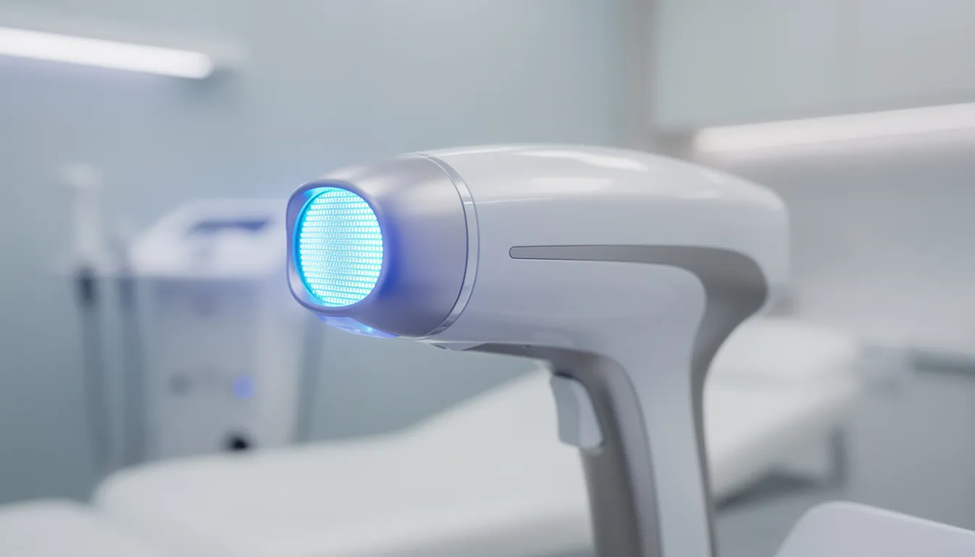
- Long-pulsed lasers (Alexandrite, diode)
- Suitable for various skin types with proper settings
- 6–8 sessions typically needed; 4–6 week intervals
Tattoo removal:
- Q-switched or picosecond lasers
- Multiple sessions required depending on ink colors and depth
Widely available across Seoul and Busan clinics with competitive pricing.
Hair and Scalp Treatments
For patients experiencing hair loss, Korean clinics offer:
- Comprehensive hair loss evaluation
- Scalp injections (growth factors, PRP)
- Oral and topical medications
- Surgical hair restoration (FUE/FUT) at specialized centers like Maxwell Hair Clinic
Treatment plans for hair restoration typically span 6–12 months with regular monitoring.
Traveler vs. Resident Considerations
| Treatment Type | Suitable for Short Visit | Better for Residents |
| Laser toning | ✓ | ✓ |
| Skin boosters | ✓ | ✓ |
| Light chemical peels | ✓ | ✓ |
| Botox/fillers | ✓ | ✓ |
| Deep ablative lasers | Limited | ✓ |
| Multi-session scar protocols | Limited | ✓ |
| Hair restoration surgery | Requires planning | ✓ |
Short-term visitors should discuss downtime honestly with their doctor and avoid scheduling aggressive procedures right before important events or flights.
How to Choose the Right Korean Dermatology Clinic
Seoul and Busan have hundreds of dermatology and aesthetic clinics. The abundance of choice can feel overwhelming—especially when you’re researching from abroad and can’t easily visit in person.
Selection Criteria
Verify credentials:
- Look for 피부과 전문의 (board-certified dermatologist) on the clinic website
- Cross-check with Korean Dermatological Association databases where possible
- Confirm the named doctor actually practices at the clinic (not just a figurehead)
Assess language support:
- Clinics that explicitly advertise english speaking staff or coordinators
- Ask about translator availability during procedures, not just booking
- Check which languages beyond English are supported if relevant
Match specialization to your needs:
| Primary Concern | Look For |
| Acne/scars | Clinics emphasizing laser medicine, chemical peels, microneedling |
| Anti-aging | HIFU devices (Ultherapy, Shurink), thread lifting, fillers |
| Pigmentation | Picosecond lasers, laser toning, melasma-specific protocols |
| Hair loss | Dedicated hair clinics or dermatologists with trichology focus |
| Medical conditions | University hospital dermatology departments or medical-focused clinics |
Evaluate consultation style:
- Boutique clinics offer longer one-on-one time
- High-volume centers may provide faster, more standardized protocols
- Neither is inherently better—depends on your preferences and complexity of concerns
Due Diligence Checklist
[ ] Clear pricing or willingness to provide quotes before visit
[ ] Before/after galleries with consistent lighting and angles
[ ] Transparent device information (brand-name lasers vs. unspecified “HIFU”)
[ ] Reviews across multiple platforms (Google Maps, Naver Blog, medical tourism forums)
[ ] Look for patterns in feedback rather than fixating on isolated complaints
Realistic Budgeting
Approximate price ranges (2024):
| Procedure | Price Range (KRW) | Price Range (USD) |
| Laser toning (single session) | ₩150,000–₩400,000 | $110–$300 |
| Picosecond laser (session) | ₩200,000–₩500,000 | $150–$370 |
| Full-face Ultherapy | ₩1,500,000–₩3,000,000 | $1,100–$2,200 |
| Skin booster (session) | ₩200,000–₩400,000 | $150–$300 |
| Botox (per area) | ₩100,000–₩200,000 | $75–$150 |
| Filler (per syringe) | ₩300,000–₩600,000 | $220–$440 |
Sources: Medical Tourism Korea, 2024; individual clinic disclosures
“Event” promotions (이벤트) are common in Korea and can offer genuine savings. However, prioritize safety and qualifications over the lowest price—especially for injectable or invasive procedures.
Red Flags to Watch
- Pressure-selling multiple packages during initial consultation
- Refusal to name specific device models or product brands
- No visible doctor credentials or evasive answers about who performs procedures
- Prices dramatically below market rate (may indicate cut corners or inexperienced staff)
- Dismissive attitude toward your questions or concerns
If you feel pressured, it’s completely acceptable to say you need time to think and leave. A reputable clinic won’t object to you taking time to decide.
Preparing for Your Visit: From Consultation to Aftercare
Most foreign patients find Korean dermatology visits efficient and well-organized. A little preparation helps maximize results and ensures you get the most from your time with the doctor.
Pre-Visit Steps
Gather your information:
- List of current medications and supplements
- Medical history relevant to skin (allergies, previous reactions, conditions like psoriasis or eczema)
- Photos of your skin concerns over time (shows progression)
For remote pre-consultations:
- Take clear, makeup-free selfies in natural lighting
- Clinics like Amoa Skin Clinic and Renew Me Clinic accept photos via WhatsApp or KakaoTalk for initial assessment
Before laser or peel treatments:
- Avoid tanning and self-tanners for 2+ weeks
- Stop strong retinoids 3–7 days before (unless your dermatologist says otherwise)
- Avoid waxing or harsh exfoliation in treatment areas
Day-of Experience
Typical flow:
- Registration and consent forms
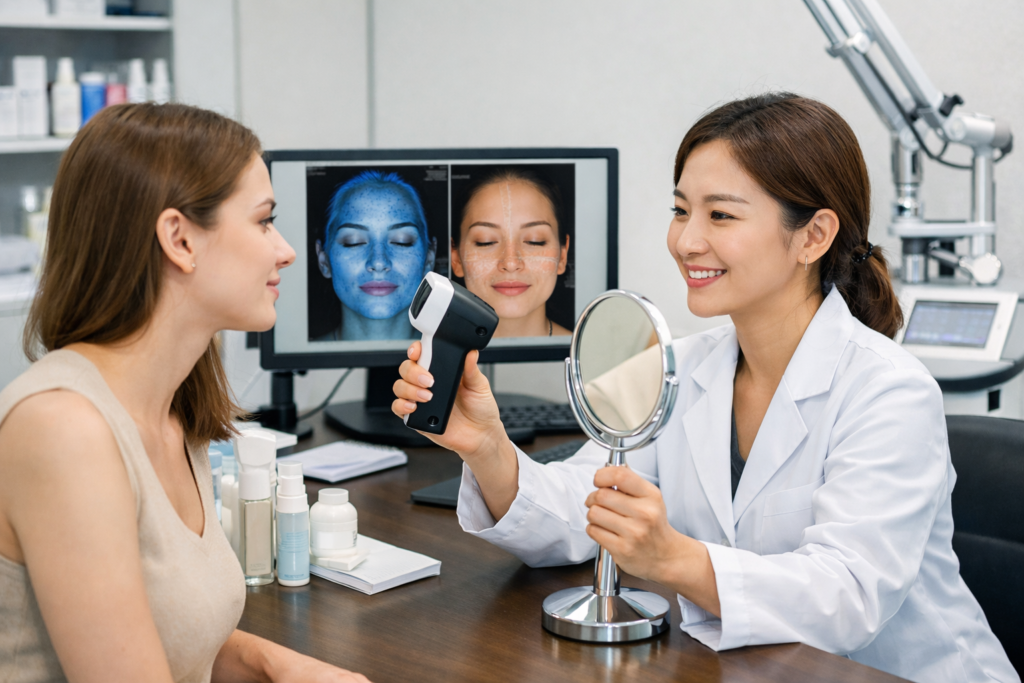
- Short skin analysis (sometimes with imaging technology)
- Consultation with the dermatologist (translation support if needed). Many clinics feature experienced professionals like Dr Kim, who is known for thorough assessments, expertise, and providing a positive, personalized treatment planning experience for patients.
- Treatment plan explanation including downtime and cost
- Procedure (if proceeding same day)
- Post-treatment care instructions
Questions to ask during consultation:
- Which specific device/product are you using?
- How many sessions will I need for my goals?
- What’s the realistic downtime?
- What results can I expect, and what’s the timeline?
- What are potential side effects?
- How do I contact you if I have concerns after treatment?
Aftercare Basics
For most laser and peel treatments:
- Strict sun protection (SPF 30–50) for at least 2 weeks
- Gentle, fragrance-free cleanser
- Hydrating moisturizer
- Avoid active ingredients (retinol, AHAs, BHAs) until cleared by your doctor
Korean pharmacies and Olive Young stores stock suitable post-procedure products if your clinic doesn’t provide them.
Typical recovery timelines:
| Procedure | Initial Redness/Swelling | Full Recovery |
| Laser toning | 1–3 hours | Same day |
| HIFU (Ultherapy) | 1–3 days mild | 1 week |
| Fillers | 1–5 days (bruising possible) | 2 weeks |
| Fractional laser | 3–7 days | 2 weeks |
| Thread lift | 1–2 weeks | 4 weeks |
When to contact the clinic:
- Prolonged or worsening pain beyond expected
- Blistering or unusual discharge
- Signs of infection (increasing redness, warmth, fever)
- Any reaction that seems abnormal
Most clinics can be reached via email or messenger apps while you’re traveling
Follow-Up Planning
For travelers with limited time:
- Many clinics offer remote follow-up via photos
- Schedule any multi-session treatments strategically across trips
For residents:
- Establish regular check-ins for chronic issues like acne, melasma, or hair loss
- Adjust treatment plans seasonally (less aggressive procedures in summer when sun exposure is higher)
Frequently Asked Questions About Korea Dermatology
Do I need a referral to see a dermatologist in Korea?
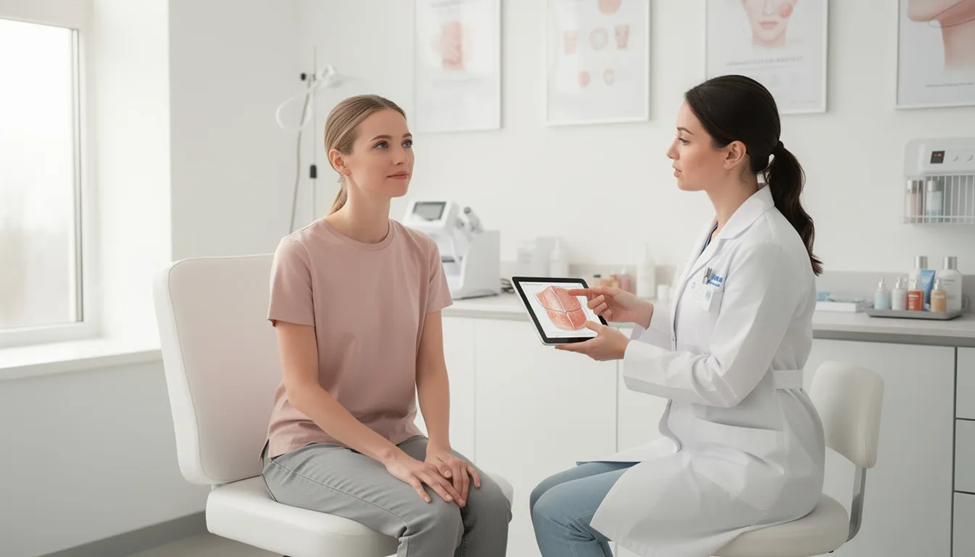
No referral is needed for private clinics—you can book directly. University hospitals may have longer wait times and sometimes prefer referrals for specialized conditions, but walk-in private clinics (the majority of options) accept patients directly.
Is it safe to do multiple treatments in one day?
Combination protocols are common in Korean dermatology—for example, laser toning plus skin booster in one visit. However, layering too many aggressive treatments risks complications. A good dermatologist will tell you when “less is more” and spread treatments appropriately.
How many days of downtime should I plan in my travel itinerary?
This varies dramatically:
- Laser toning, light peels: Same-day recovery
- Skin boosters, Botox: 1–2 days of potential redness
- HIFU, fillers: 2–5 days of swelling possible
- Fractional lasers: 5–10 days
- Thread lifts: 1–2 weeks
Build buffer time into your schedule, especially before important events or flights.
Can I claim Korean dermatology costs on international insurance?
Cosmetic procedures are almost never covered. Medical dermatology (treating diagnosed conditions like severe acne, psoriasis, or eczema) may be partially reimbursable—check with your insurer before traveling and request itemized receipts.
What about safety and regulation of devices and injectables in Korea?
Korea’s MFDS (Ministry of Food and Drug Safety) regulates medical devices and injectables. The domestic cosmetic and pharmaceutical industry is robust, and Korea approves approximately 200 new active ingredients annually—far more than the FDA’s 10–20 (Korean Ministry of Food and Drug Safety, 2023). This means faster access to innovations but also requires patients to research newer treatments carefully.
Is there a big difference between Seoul, Busan, and Incheon clinics?
Seoul (especially Gangnam and Apgujeong) has the highest concentration of advanced aesthetic centers and the most competition, which can mean both cutting-edge options and aggressive marketing. Busan and Incheon offer strong korea dermatology services, sometimes at slightly lower prices, with less overwhelming choice. For complex procedures, Seoul typically has more specialists to choose from.
Is there age guidance for popular treatments like fillers or HIFU?
Korean clinics don’t have strict age cutoffs. Botox and fillers are commonly used by patients in their late 20s onward for prevention; HIFU typically starts making sense in the mid-30s when collagen loss becomes more apparent. The key is individual assessment—a good dermatologist evaluates your skin’s actual condition rather than treating age as the deciding factor.
Conclusion: Making the Most of Korean Dermatology
Korea combines world-class dermatology training, cutting edge technology, and a culture of meticulous skincare to deliver results that draw patients from around the globe. The country’s century-long tradition of dermatological research—from Yonsei’s pioneering phototherapy center in 1981 to today’s exosome therapies—means you’re accessing expertise refined over generations and millions of patient treatments.
The most important takeaway: choosing a board certified dermatologist and a clinic aligned with your specific needs matters more than chasing the lowest price or the trendiest treatment. Whether your focus is acne, aging, scars, hair restoration, or a medical condition like psoriasis, finding the right match determines your outcome more than any single device or product.
English-speaking and multilingual clinics across Seoul, Busan, and Incheon now make it significantly easier for international patients to receive safe, clear, and personalized care. The clinics mentioned in this guide—Delight Dermatology, Ever Skin Clinic, Amoa 640, Dream Dermatology, Three Wishes Clinic, Seojin Clinic, CellReAnd, Maxwell Hair Clinic, Renew Me, and others—represent starting points for your research, not an exhaustive list. Use them as a launching pad to find the right fit for your concerns and budget.
Next steps:
- Research board-certified dermatologists based on your primary skin concern
- Reach out to 2–3 clinics for consultations before committing
- Plan travel around realistic downtime expectations
- Ask detailed questions and trust your instincts about clinic culture
Take your time, prepare thoughtfully, and you’ll be well-positioned to enhance your skin with some of the best dermatological expertise available anywhere in the world.
Disclaimer: This article is for informational purposes only and does not constitute medical advice. Individual results vary, and all treatment decisions should be made in consultation with a qualified, board-certified dermatologist. Always verify credentials and conduct your own research before undergoing any procedure.
References
Aesthetic Society of Korea. (2023). Annual report on cosmetic procedures in South Korea.
American Academy of Dermatology. (2023). What is a dermatologist? https://www.aad.org
International Society of Aesthetic Plastic Surgery. (2023). Global survey on aesthetic/cosmetic procedures.
Kim, J., Park, S., & Lee, H. (2022). Combination therapy approaches in Korean dermatology practice. Journal of Dermatological Treatment, 33(4), 215–223.
Korean Dermatological Association. (2024). Treatment trends and patient statistics.
Korean Ministry of Food and Drug Safety. (2023). Annual pharmaceutical and cosmetic approval statistics.
Medical Tourism Korea. (2024). Price guide for cosmetic dermatology procedures.
Skin Research and Technology. (2021). Clinical applications of polynucleotide-based skin boosters. Skin Research and Technology, 27(5), 892–898.
Yonsei University Medical School. (2017). Centennial history of the Department of Dermatology.
Skin Care and Maintenance: The Korean Approach
The Korean approach to skin care and maintenance is world-renowned for its commitment to natural beauty and healthy skin. Rather than focusing solely on quick fixes, Korean dermatologists advocate for a holistic strategy that blends time-honored traditions with cutting edge technology. This philosophy addresses a wide range of skin concerns—from sagging skin and wrinkles to acne scars—by promoting both prevention and targeted intervention. The result is a culture where beauty is seen as an extension of health, and where the pursuit of radiant, resilient skin is a daily practice supported by expert guidance.
Korean dermatologists believe that achieving and maintaining natural beauty starts with understanding your unique skin type and concerns. Whether you’re dealing with persistent acne, early signs of aging, or simply want to enhance your skin’s glow, the focus is always on long-term results and overall skin health. By combining advanced skin treatments with personalized routines, patients can effectively manage issues like sagging skin and acne scars while enjoying the benefits of the latest innovations in skin science.
Daily Routines Recommended by Dermatologists
Consistency is key in Korean skin care, and dermatologists emphasize the importance of a daily routine tailored to your individual needs. A typical regimen includes gentle cleansing, thorough moisturizing, and diligent sun protection—essentials for all skin types. However, Korean dermatologists go a step further by customizing these routines based on specific skin concerns and patient goals.
For those with acne-prone skin, products containing ingredients like salicylic acid or benzoyl peroxide are often recommended to help control breakouts. Patients with dry or sensitive skin may benefit from hydrating masks and moisturizers rich in hyaluronic acid, which help restore the skin’s moisture barrier. To address more advanced concerns such as uneven skin texture or early signs of aging, dermatologists may suggest incorporating advanced skin treatments like laser treatments or chemical peels. These procedures not only improve skin texture but also stimulate collagen production, leading to firmer, more youthful-looking skin.
Personalized care is at the heart of the Korean approach. Dermatologists work closely with patients to adjust routines as needed, ensuring that each step—from cleansing to advanced treatments—supports the individual’s skin type and evolving concerns. By combining daily at-home care with periodic professional interventions, patients can achieve optimal results and maintain healthy, beautiful skin year-round.
Professional vs. At-Home Care
While a diligent at-home routine forms the foundation of healthy skin, professional treatments at a dermatology clinic can address deeper or more persistent skin concerns. Board certified dermatologists in Korea offer a comprehensive range of advanced procedures, from laser hair removal and dermal fillers to botox and specialized laser treatments. These in-clinic options are designed to deliver more dramatic and long-lasting improvements, especially for issues like stubborn pigmentation, sagging skin, or deep wrinkles.
However, the role of at-home care should not be underestimated. Maintaining the results of professional treatments—and supporting overall skin health—requires ongoing attention to daily habits. Dermatologists often provide tailored recommendations for at-home products and routines that complement in-clinic procedures, ensuring that patients continue to see progress between visits.
The most effective approach combines the expertise of board certified dermatologists with a commitment to daily self-care. By partnering with a reputable dermatology clinic and following professional guidance, patients can confidently address their skin concerns and enjoy the benefits of both advanced technology and consistent at-home maintenance.
Seasonal and Lifestyle Adjustments
Korean dermatologists recognize that skin care is not static—your routine should evolve with the seasons and your lifestyle. During the dry, cold winter months, the focus shifts to richer, more hydrating products that protect the skin from moisture loss and irritation. In contrast, summer routines emphasize lightweight, oil-free moisturizers and robust sun protection to guard against UV damage and excess oil production.
Lifestyle factors also play a significant role in skin rejuvenation and overall skin health. Managing stress through practices like meditation or yoga can help reduce inflammation and prevent stress-related breakouts. Dietary choices matter, too: increasing your intake of antioxidants and omega-3 fatty acids can support the skin from within, enhancing its natural resilience and glow.
By staying attuned to seasonal changes and making thoughtful lifestyle adjustments, you can help your skin adapt and thrive throughout the year. Korean dermatologists encourage patients to regularly reassess their routines, ensuring that their focus remains on maintaining healthy, vibrant skin—no matter the weather or life’s demands.