Welcome to the ultimate T-Money Card Guide for 2026! This comprehensive guide is designed for tourists and new visitors to Korea who want to navigate the country’s public transportation system with ease. Here, you’ll find everything you need to know about the T-Money Card: how to purchase it, where and how to use it, how to top it up, and how to get a refund before you leave. The T-Money Card is essential for anyone using public transportation in Korea, as it provides a seamless, cashless way to pay for subways, buses, taxis, and even small purchases at thousands of vendors nationwide. Whether you’re planning a short trip or an extended stay, this guide will help you ride Korea’s subway and buses like a local.
Quick Answer: How to Use a T-money Card in South Korea
- What it is: The T-money card is South Korea’s main transport card for subways, buses, and taxis nationwide.
- Where to buy: Available at Incheon/Gimpo Airport, subway stations, and convenience stores like CU, GS25, and 7-Eleven.
- Card price: The physical card usually costs ₩3,000–₩5,000 (non-refundable).
- How much to load first: Load ₩20,000–₩50,000 for a few days in Seoul (you can top up anytime).
- How to top up: Top-ups are done in cash (KRW), in ₩1,000 units, with up to ₩90,000 per reload and a ₩500,000 maximum balance.
- How to use: Tap once when entering and once when exiting subways and buses; fares are calculated automatically.
- Transfers: Transfer discounts apply when you change buses/subways within 30 minutes (often longer late at night), with up to four transfers allowed.
- Refund before leaving: Remaining balance can be refunded in cash (KRW) at designated locations; the card cost is not refunded, and a small service fee (usually ₩500) applies.
- Why you need it: Many city buses in Korea are cashless, so having a transport card is strongly recommended.
Table of Contents
Key Takeaways
The T-Money Card is South Korea’s prepaid transit card used on subways, city buses, some intercity buses, taxis, and small purchases at over 30,000 vendors nationwide. This guide focuses on the T-Money Card as the main tool for navigating Seoul, Busan, and beyond for both locals and tourists.
You can buy a T-Money Card immediately upon landing at Incheon Airport (Terminal 1 B1 Transit Center, Terminal 2 convenience stores) or at any major convenience store or subway station for approximately ₩2,500–₩3,000.
Topping up requires Korean won cash at subway machines or convenience stores—most foreign cards cannot directly reload a physical card, so plan to exchange currency first.
T-Money provides transfer discounts when you transfer within 30 minutes (often longer late at night), and free transfers are allowed up to four times. Seoul city gov transfer rule
Tourists seeking extra benefits can also consider the Korea Tour Card, Discover Seoul Pass, WOWPASS, or Climate Card for attraction discounts or unlimited riding options.
What Is The T-Money Card?
The T-Money Card is a prepaid transportation card that can be used to pay for public transportation in cities across Korea, including buses and subways. The T-Money Card can also be used to pay for a range of items and services, including taxi charges, items in convenience stores, entrance fees for attractions, vending machines, and food and beverages in restaurants.
The T Money card is a reloadable stored-value smart card used across South Korea for public transport and small purchases. Launched in the mid-2000s as part of the country’s push toward cashless urban mobility, it has become the dominant payment method for daily commuting and travel. The tmoney card is highly convenient, compatible with multiple transport modes such as subways, buses, and taxis, and is considered an essential travel accessory for tourists visiting Korea.
Here’s how it works in practice: you tap the card at entry points on subways and buses, and the fare is automatically deducted from your balance in Korean won. When you exit, you tap again to finalize the charge based on distance traveled. The whole trip gets calculated precisely, and you never fumble for exact change.
Core use cases include:
Seoul Metro and Busan Metro (plus Daegu, Daejeon, Gwangju lines)
City buses in Seoul, Gyeonggi, Incheon, Busan, and other major metros
Many airport buses and express bus routes
Urban taxis displaying the T-Money logo
Convenience stores (CU, GS25, 7-Eleven, Emart24)
Vending machines, bakeries, cafés, and some tourist attractions
Why Travelers Still Need A T-Money Card In 2026
Many city buses in Seoul and surrounding areas no longer accept cash fares at all. This effectively makes a transit card mandatory for anyone planning to use public transportation beyond taxis.
Card fares are consistently cheaper than single journey ticket prices or cash payments. When you combine bus and subway transfers within 30 minutes (often extended to one hour between 9pm and 7am), you unlock transfer discounts that compound quickly over a multi-day trip.
The convenience factor is substantial:
No hunting for exact change
No ticket machine queues
One card works across multiple cities
Balance displays after each tap
While mobile wallets like Apple Pay and Google Pay are improving in Korea, foreign cards and NFC systems aren’t reliably supported on all Korean transit gates in 2026. A physical T-Money Card remains the safest bet for tourists.
Budget travelers and families benefit most from proper card usage. Tapping correctly can save several thousand won daily in transfer discounts alone—enough to cover a convenience store meal.
Quick Summary For First-Time Visitors
Here’s a compact checklist to get started:
|
Step |
Action |
|---|---|
|
1 |
Buy card at airport or first convenience store |
|
2 |
Load ₩30,000–₩50,000 in cash |
|
3 |
Always tap in AND tap out |
|
4 |
Check balance on bus/subway readers |
Consider pairing your T-Money Card with a Korean sim card or Wi-Fi router for navigation and translation. For larger shopping and dining bills, a foreigner-friendly money card like WOWPASS fills the gap nicely.
Heavy sightseers should look into the Discover Seoul Pass or Korea Tour Card, which bundle T Money transport with free or discounted attraction entry around Seoul.
Solo city travelers staying under a week are usually fine with a single standard T-Money Card. Long-stayers might explore the mobile T Money options introduced in 2024–2025.
Where To Buy A T-Money Card
You can purchase a T-Money Card almost everywhere urban travelers go: airports, subway stations, and convenience stores nationwide.
Typical pricing:
|
Card Type |
Price Range |
Notes |
|---|---|---|
|
Plain design (subway station) |
₩2,500 |
No balance included |
|
Standard (convenience store) |
₩3,000–₩4,000 |
Various designs |
|
Tourist variants |
₩4,000–₩6,000 |
May include preloaded credit |
|
Character/K-Pop designs |
₩5,000–₩8,000 |
Collectible souvenir |
No passport or registration is required for a standard adult card. It’s completely anonymous, making purchase quick but impossible to block or recover if lost.
Children and youth discount cards require age registration at certain kiosks or counters—a process most short-term tourists won’t need to navigate.
Buying T-Money At Incheon International Airport
Terminal 1: Head to the B1 Transit Center near the AREX all-stop train entrance. Well-signed ticket vending machine options are available here. Some convenience stores in Terminal 1 focus on other transportation cards like Cashbee, so the Transit Center machines or dedicated tour card kiosks are your safest bet.
Terminal 2: Travelers can buy T-Money Card options at major convenience stores such as GS25 and 7-Eleven on the arrivals floor or near the subway/AREX entrances.
Airport-sold tourist variants like the Korea Tour Card and Amazing Pay T Money cost approximately ₩4,000–₩50,000 but may include built-in credit and airport bus or attraction discounts.
Pick up your card before riding the AREX, limousine bus, or airport bus into Seoul. You’ll immediately start earning transfer discounts once inside the city.
Step-By-Step: Using Airport Transit Center Vending Machines
Here’s how to buy a T-Money Card at Incheon Airport:
Select English on the ticket vending machine screen
Choose “Transportation Card” or similar option
Pick your preferred card type/design
Insert Korean won cash (bills only—no foreign currency, no foreign cards accepted)
Optionally add initial balance at time of purchase
Collect your card and receipt
These machines accept only cash in Korean won. If you haven’t exchanged currency yet, airport exchange counters are located before you reach the transit area.
Add at least ₩20,000–₩30,000 immediately if staying in Seoul for 3–4 days. This saves you from queuing again during your first subway ride.
The machines operate on schedules aligned with airport and train hours, and they’re heavily signposted with T Money or Korea Tour Card branding.
Where To Buy T-Money In Korean Cities
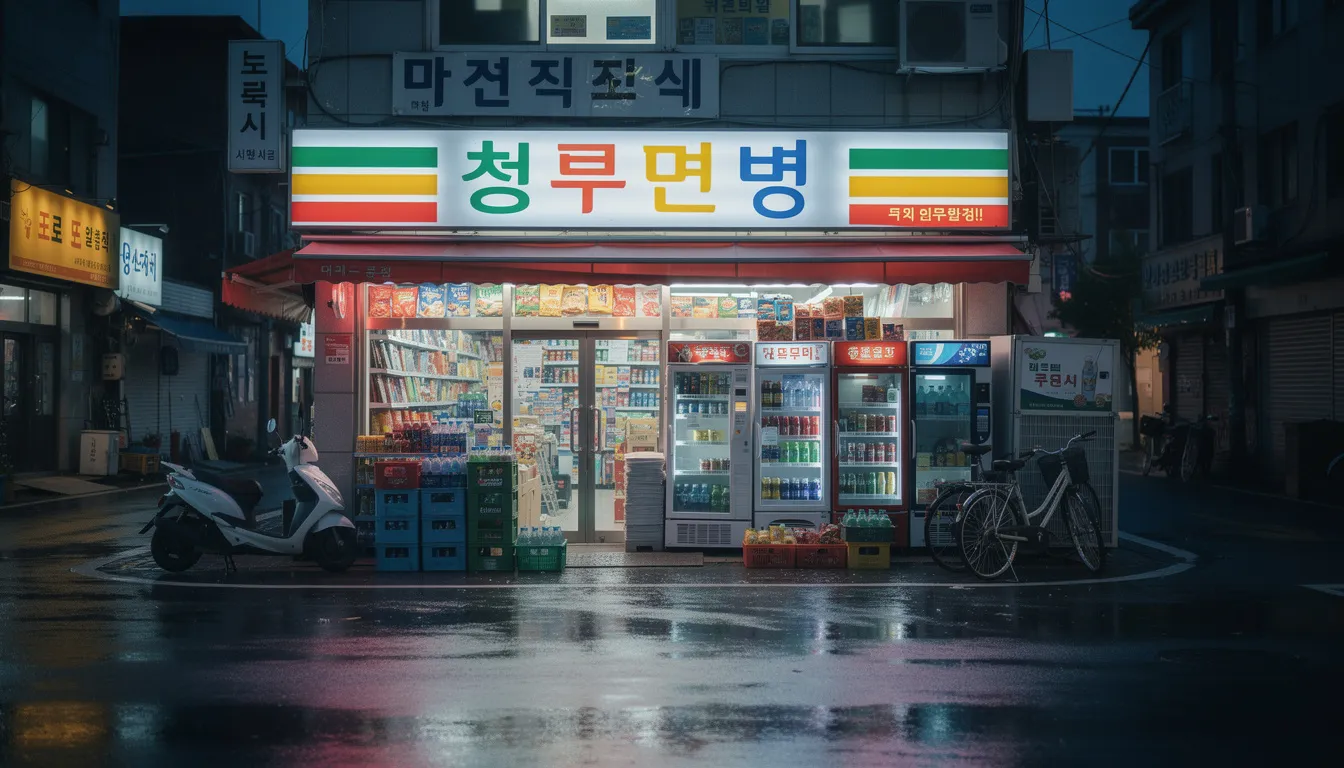
Every major subway station in Seoul, Busan, Daegu, Daejeon, and Gwangju has ticket offices or machines selling basic T-Money Cards for about ₩2,500 with zero balance.
Popular convenience store options:
CU
GS25
7-Eleven
Emart24
Ministop
Simply ask at the counter (“T Money juseyo”) and pay the card fee. Staff are accustomed to tourists making this purchase.
AREX Seoul Station and large transit hubs often sell fancier or personalized versions starting around ₩6,000. The Myeongdong Tourist Information Center is another reliable spot for tourist-friendly cards.
Travelers arriving by KTX or intercity bus (not via Incheon) can buy a T-Money Card as soon as they enter the underground metro or spot the first convenience store inside the terminal.
Some online travel agencies let you pre-order a T-Money Card to collect at specified airport counters, often bundled with a sim card, pocket Wi-Fi, or data eSIM.
How Much Does A T-Money Card Cost In 2026?
|
Card Type |
Approximate Cost |
Notes |
|---|---|---|
|
Plain transit card (subway station) |
₩2,500 |
No stored balance |
|
Convenience store designs |
₩3,000–₩4,000 |
Basic cute designs |
|
Character/idol designs |
₩5,000–₩7,000 |
BT21, Kakao Friends, etc. |
|
Korea Tour Card |
₩4,000+ |
May include discount benefits |
|
AmazingPay variants |
₩4,000–₩50,000 |
Bundled preloaded credit |
The card fee itself is non-refundable. Only the remaining stored value can be refunded (usually minus a small fee around ₩500). Avoid over-loading right before departure to minimize hassle.
Travelers on tight budgets should buy the cheapest design available. All versions provide identical transport benefits—design is purely cosmetic.
Special & Limited-Edition Designs (Including K-Pop Themes)
Stationery and lifestyle shops like ARTBOX and Line Friends stores sell cute designs featuring Kakao Friends, BT21, and seasonal characters. These function identically to standard cards.
Expect to pay ₩5,000–₩8,000 for character designs. You’ll find them in trendy districts like Myeongdong, Hongdae, Dongdaemun, and Gangnam underground shopping centers. Tmoney Town near Seoul Station is another popular spot.
Idol and K-Pop-themed cards (including BTS-style or group-themed cards) are often limited runs. Stock changes frequently, and some designs may only appear at specific pop-up shops.
Think of these cards as both practical transit tools and souvenirs. They can be reused on future Korea trips without expiration—a functional memento that keeps giving.
Where You Can Use T-Money In Korea
T-Money is accepted on most urban public transport and in many small retail outlets wherever the T-Money logo is displayed.
Main service categories:
City buses (Seoul, Busan, Gyeonggi, Incheon, Daegu, Daejeon, Gwangju)
Subway and metro systems
Some intercity buses and express bus routes
Taxis with T-Money readers
Convenience stores and shops
Cafés and fast-food chains
Select tourist attractions and vending machines
While coverage is strong in major cities, some rural buses and regional lines may still be cash-only or use competing cards like Cashbee. Always carry some cash as backup.
City Buses
Basic boarding rule:
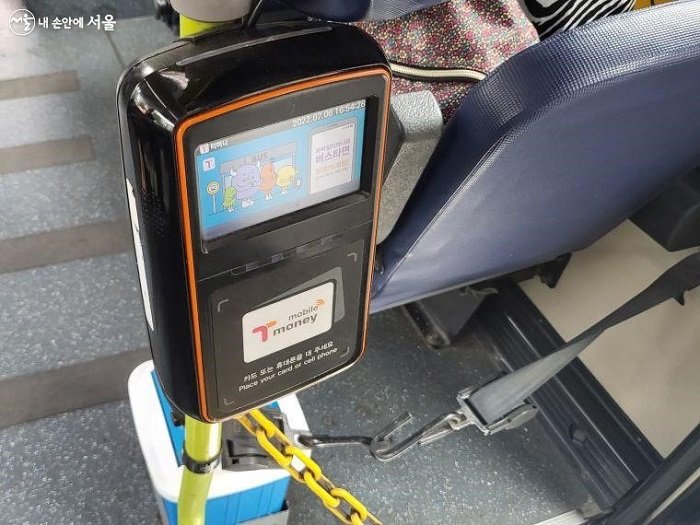
Enter through the front door
Tap your card on the card reader near the driver
Watch for fare and remaining balance on screen
Tap again at the rear or middle door when exiting
Most city buses in Seoul and surrounding Gyeonggi Province use distance-based fares that increase after approximately 10 km. Failing to tap out can charge a higher assumed distance fare or break your transfer discounts.
Practical tips:
Watch the screen for your fare and balance
Listen for the confirmation beep
Hold the card still instead of waving it quickly
If the reader rejects your card, check balance and try again
Example daily scenario: Three bus rides with two subway transfers, tapping correctly each time, could save you ₩1,000–₩2,000 in transfer discounts compared to paying each fare separately.
Subway & Metro
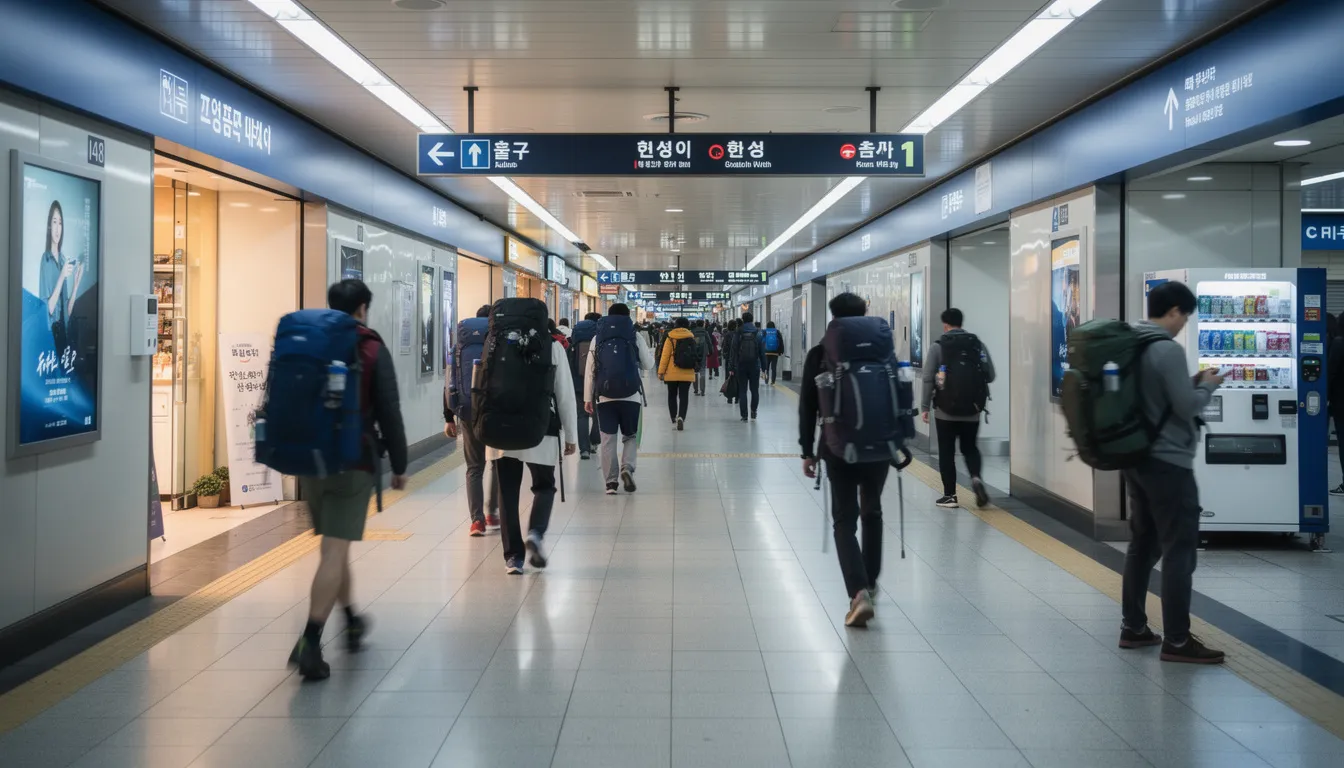
T-Money works on metros in Seoul, Incheon, Busan, Daegu, Daejeon, Gwangju, and many suburban rail lines, making it the standard for everyday commuting and sightseeing.
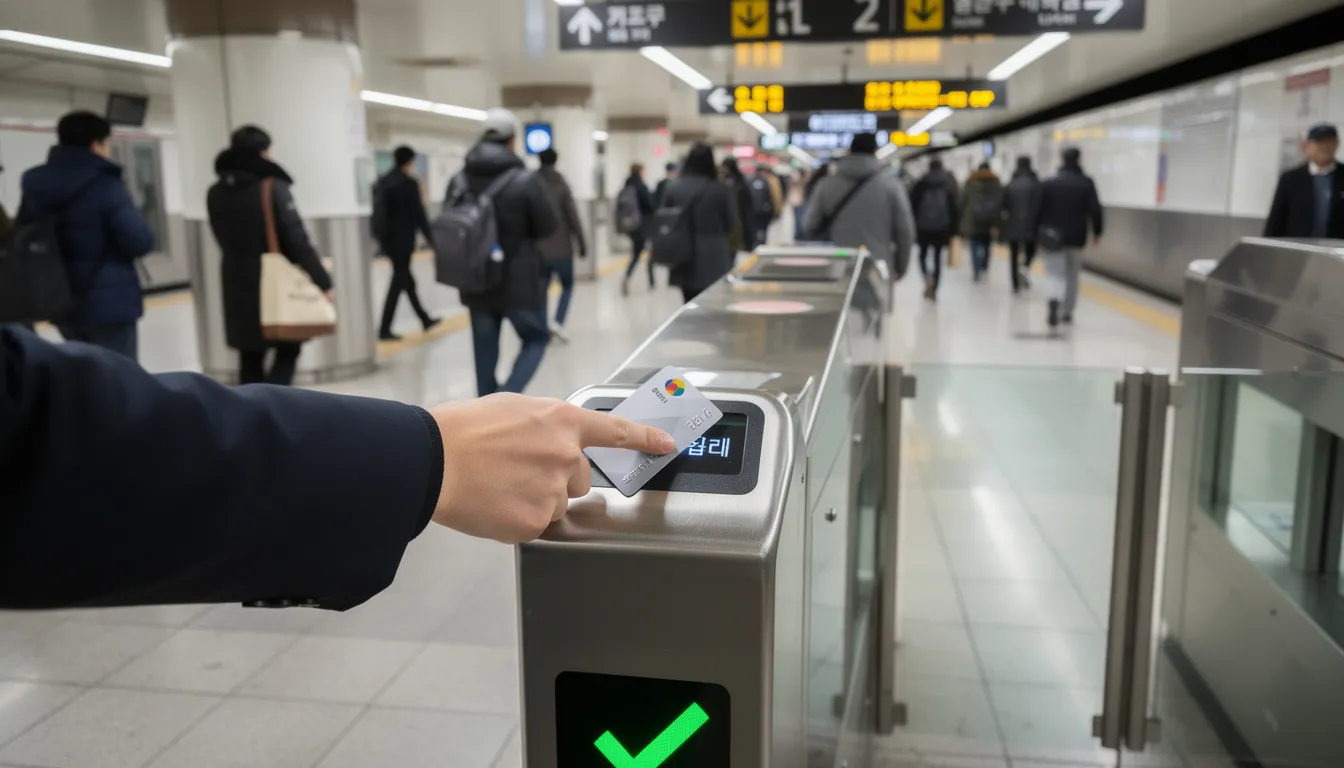
Gate process:
Tap at the entry gate
Wait for green light and beep
Tap at the exit gate at your destination
Failure to tap either side can lock the card or require staff assistance
Top-up machines and balance checkers are located within almost every station, typically near ticket windows or on central concourses. Multi-language interfaces including English are standard at train stations.
If you enter the wrong station or line, many systems allow exit within about 10 minutes without charge. Details vary by city and line.
Taxis
Many taxis in large cities accept T-Money, usually indicated by a small sticker or screen showing the logo on the dashboard or rear window.
Tell the driver “T Money” or show your card before payment. The driver will either tap the reader with your card or ask you to tap it yourself at the device near the meter.
Check your balance in advance—T-Money cannot go into negative balance. If funds are insufficient, you’ll need to pay the remaining amount with cash or a debit card.
Pair T-Money with popular taxi apps like Kakao T for easier hailing in English. Note that payment methods inside the app may differ from paying via the physical T-Money Card.
Shopping & Dining
Main chains accepting T-Money:
CU, GS25, 7-Eleven, Emart24
Homeplus Express
Some bakeries like Paris Baguette
Fast-food chains (McDonald’s, Lotteria)
T-Money is best reserved for small, under-₩20,000 purchases like snacks, drinks, and quick meals. Larger shopping is usually easier with a credit card, WOWPASS, or other payment method.
Look for the T-Money or “교통카드” (transportation card) logo at the counter before assuming payment will be accepted. Digital-savvy visitors often use T-Money mostly for transit and a separate multi-currency card for retail purchases.
Tourist Attractions & Events
Some major attractions and theme parks (like Everland or certain baseball stadiums in the Seoul area) accept T-Money for admission, in-park transport, or concession stands.
The Korea Tour Card variant provides extra discounts at major attractions such as N Seoul Tower, COEX Aquarium, and popular museums—making it attractive for heavy sightseeing days.
T-Money works as a backup payment method at events and festivals for food trucks, vending machines, or temporary kiosks. However, it cannot replace pre-booked e-tickets or QR-code entries at tourist attractions—it’s mainly a point-of-sale tool when vendors are partnered with the T-Money network.
Where You Cannot Use T-Money
T-Money is NOT valid for:
|
Service |
Why Not |
Alternative |
|---|---|---|
|
KTX high-speed trains |
Requires reserved tickets |
Buy online or at station counters |
|
Most intercity trains |
Separate ticketing system |
Korea Travel Card or tickets |
|
Many intercity buses |
Reserved-seat tickets required |
Buy at terminal or online in advance |
|
Rural/remote buses |
May lack readers |
Carry cash |
|
Online purchases |
Not designed for e-commerce |
Credit card, WOWPASS |
|
Hotels |
Not accepted |
Card or cash |
For intercity bus tickets and express bus routes, purchase reserved-seat tickets at the terminal or online before boarding. You cannot simply tap T-Money at the door for these services.
Keep coins and small notes handy for smaller towns or rural regions where local buses might only accept cash.
How To Top Up (Recharge) A T-Money Card
T-Money recharging is cash-only at physical locations. Adding funds is quick once you know where to go.
Main recharge options:
Subway and train station ticket machines
Convenience store counters
Certain newsstands near bus stops
T Money service points (T-money Town near Seoul Station)
Typical top-up amounts range from ₩1,000 to ₩90,000 per transaction, with a maximum stored balance around ₩500,000—far more than most tourists need.
Foreign cards usually cannot directly recharge physical T-Money. Travelers who insist on card-funded top-ups should consider WOWPASS or similar hybrid products instead.
Reloading At Subway Ticket Machines
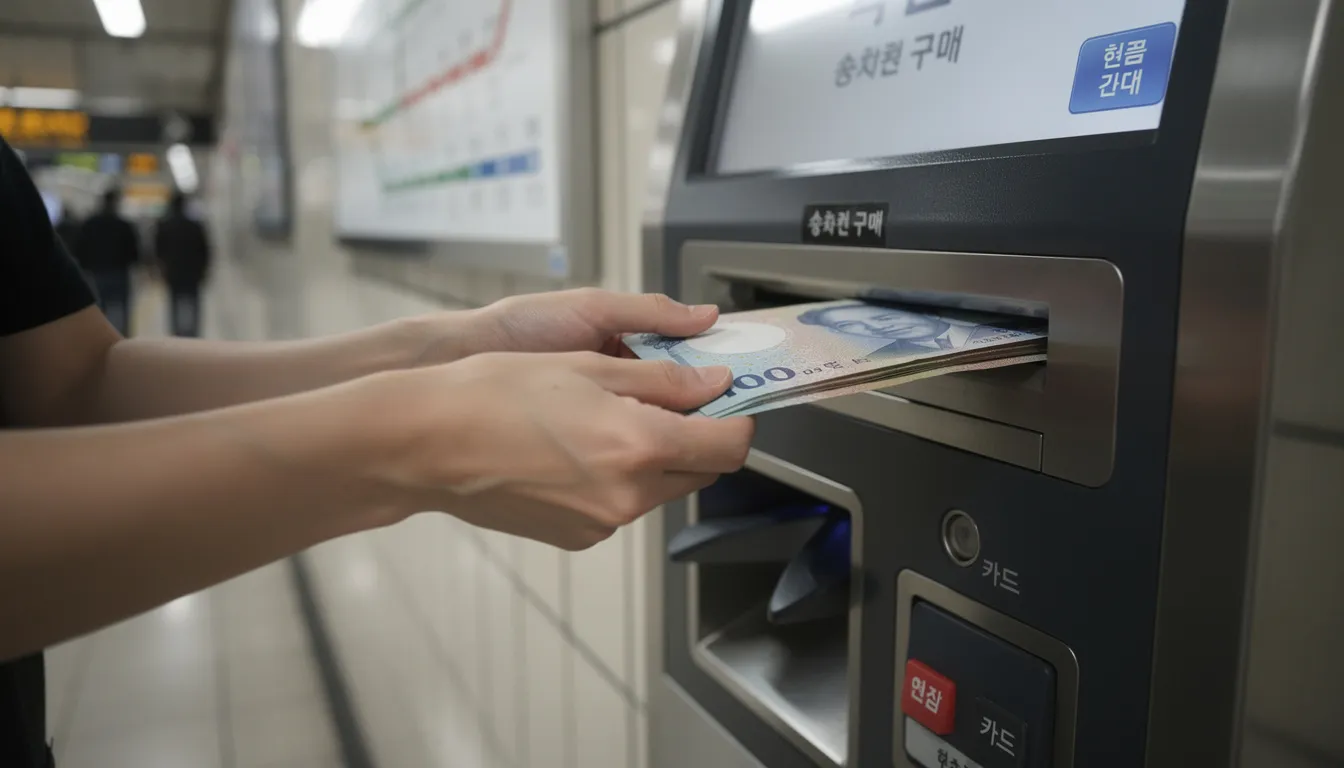
Find machines near station entrances, ticket offices, or close to gate lines. They’re typically labeled in Korean and English as “Recharge Transportation Card” or similar.
On-screen steps:
Select language (English available)
Choose “Recharge/Top-Up”
Place your card on the reader
Pick an amount
Insert cash (bills, sometimes coins)
Wait for confirmation
Machines accept only Korean won—no foreign currency or international credit cards for reloading standard T-Money Cards.
Quickly check your updated balance on the machine screen after topping up. Take a photo if you want a record for budgeting.
Reloading At Convenience Stores & Newsstands
At CU, GS25, 7-Eleven, or Emart24:
Hand your card to the cashier
Say the amount in Korean (“man won” for ₩10,000, “i-man won” for ₩20,000) or show it on your phone
Pay in cash
Receive your card back once the terminal confirms
Convenience stores typically add between ₩1,000 and ₩90,000 per transaction.
Small newsstands near major bus stops that display the T-Money logo can also recharge cards similarly. English may be limited, so a translation app helps.
Keep the recharge receipt for a day or two in case you need to verify a balance after a machine or reader error.
How Much Money Should You Put On Your Card?
|
Travel Style |
Recommended Load |
Notes |
|---|---|---|
|
Light transport only |
₩10,000/day |
Few subway/bus rides |
|
Active sightseeing |
₩15,000–₩20,000/day |
Multiple transfers plus snacks |
|
One week in Seoul |
₩50,000 initial |
Top up when below ₩5,000 |
|
Family (4 people) |
₩150,000–₩200,000 total |
Consider separate cards per person |
Avoid loading huge amounts (over ₩100,000) unless staying long-term. Balance refunds incur small fees and must be completed before leaving Korea or at specific service points.
Each person above preschool age should have their own T-Money Card. The fare system doesn’t allow splitting a single tap between multiple passengers.
Can You Top Up T-Money With A Credit Card Or App?
Physical T-Money Cards cannot normally be topped up with international credit or debit cards at machines or stores. They require only cash in Korean won.
Mobile T Money apps on Android may allow linking local Korean bank cards or mobile wallets, but these features are designed for residents, not tourists using foreign banks.
Travelers wanting to use their foreign Visa, Mastercard, or UnionPay to fund transport should consider WOWPASS or certain tourist cards that accept foreign card funding.
Don’t rely on experimental NFC or app solutions as your only payment method. Compatibility and support can change and may require a Korean ID or phone number.
How To Check Your T-Money Balance
Watching your balance avoids awkward moments at gates or on buses when your card suddenly has insufficient funds.
Quick ways to check remaining balance:
Bus and taxi readers (after tapping)
Subway gates (displays after tap)
Station ticket machines (free balance inquiry)
Convenience store terminals
Dedicated balance readers at some stations
Many readers briefly display both the fare charged and the balance left. Glance at the screen after each tap until you get used to average daily usage.
Checking balance is free and doesn’t require adding money deposited—making it easy to plan top-ups before long day trips.
Using Machines & Card Readers To Check Balance
At a subway machine:
Select “Check Balance”
Place your card on the reader
Read the amount displayed (no recharge required)
Many convenience store POS terminals show the balance when the cashier scans your card. Politely ask “balance, please?” while tapping.
Balance displays automatically when boarding a bus or exiting a subway gate—just watch the screen after the beep.
Some vending machines show your card balance after purchase, handy in stations without nearby ticket machines.
Using The Official T-Money Mobile App
The T Money app (primarily Android, limited iOS support) can sometimes read a physical card’s balance via phone NFC. However, functionality and language support may be inconsistent.
Some users report glitches or confusing menus, and the app may not fully support foreign phone numbers or banks. Offline methods are simpler and entirely sufficient for most places.
Recommend the app only for tech-confident travelers who want to experiment. For everyone else, gate and machine screens work reliably.
How To Refund T-Money Balance Before You Leave
While the card fee is non-refundable, most of your remaining unused balance can be cashed out in Korean won before departure, minus a small handling fee. To refund your t-money card before leaving Korea, visit a participating convenience store or service center to receive your remaining balance in cash, less the handling fee.
Places offering refunds:
|
Location |
Typical Amount Range |
Fee |
|---|---|---|
|
Convenience stores |
₩10,000–₩50,000 |
~₩500 |
|
Large subway stations (staffed windows) |
Higher amounts accepted |
~₩500 |
|
T Money service centers (Tmoney Town) |
Full balance possible |
Varies |
If you plan to return to Korea within a few years, simply keep the card. It will still work and saves time on your next trip—the travel card never expires as long as you use it occasionally.
For partial refunds at convenience stores, hand your card to the cashier and request a refund. They’ll process it and give you cash minus the fee.
Alternative Korean Transportation Cards & Tourist Passes
While T-Money is the default for most people, Korea also offers several alternative or complementary cards that might better fit certain travel styles.
Major alternatives:
Choose one primary system for simplicity rather than juggling too many money cards.
Cashbee Card
Cashbee is another widespread Korean transportation card, popular in Lotte-associated stores. It works similarly to T-Money on buses, metros, and taxis.
Commonly sold at CU convenience stores and subway stations for about ₩2,500, Cashbee can be used for small purchases at Lotte Mart, Lotte Department Store, and Lotte Cinema branches.
For most short-term visitors, choosing either T-Money or Cashbee is enough. You don’t need both unless chasing specific store discounts.
Namane Card
Namane is a customizable prepaid card built on the Rail+ system, with compatibility across standard transit plus national rail lines, including many KTX and ITX services.
Travelers can personalize the card design via an app, upload photos, and order cards at selected train stations, department stores, or through platforms like Klook.
Namane is ideal for visitors planning intensive nationwide rail travel who want one card bridging city transit and intercity trains more seamlessly than T-Money alone.
Korea Tour Card
The Korea Tour Card is a tourist-oriented version of T-Money costing around ₩4,000 with built-in shopping, dining, and attraction discounts across major Korean cities.
Purchase locations include Incheon Airport, other airports, and tourist information centers like the one in Jung Gu. Use it for subways, buses, and some taxis once topped up with Korean won cash.
This card often suits first-time visitors planning to hit many paid attractions. Cumulative discount benefits can outweigh its slightly higher purchase cost.
Discover Seoul Pass
The Discover Seoul Pass is a time-based sightseeing pass (24, 48, or 72 hours) that includes free entry to dozens of top Seoul attractions and optional T-Money transit functionality.
Purchase online and collect at airports or tourist centers. The timer starts at first use, encouraging tight clustering of paid tourist attractions.
This pass suits travelers who value maximum attraction coverage in a short period and don’t mind planning schedules around the pass validity window.
WOWPASS
WOWPASS is an all-in-one foreigner-focused prepaid card supporting currency exchange, Korean-style debit card payments, and T-Money-compatible transit use.
Fund it with foreign cards and multiple currencies via the WOWPASS app and kiosks—making it easier for tourists to avoid carrying large amounts of cash.
WOWPASS works at almost all merchants accepting local card payments, making it more flexible than T-Money alone for dining, shopping, and attractions.
Climate Card (Seoul Climate Card Tourist Pass)
The Climate Card offers unlimited rides on Seoul city buses and subways (and, on longer passes, city bikes and river boats) for fixed periods ranging from 1 to 30 days.
Buy the card itself for about ₩3,000 at Seoul Metro info centers or convenience stores, then load short-term passes starting from about ₩5,000 at ticket machine kiosks.
Perfect for travelers staying mainly within Seoul who plan to ride public transport heavily every day and want predictable costs instead of pay-per-ride charges.
Korea Travel Card
The Korea Travel Card is a prepaid card aimed at tourists, usable at millions of locations for both offline and some online purchases. It doubles as a transit card for buses, subways, taxis, and major trains including KTX and ITX.
Available at select airports like Incheon, Gimhae, and Jeju, it covers both small everyday expenses and big intercity rail trips in one product.
This card suits visitors who want a single, more bank-like solution rather than juggling a traditional T-Money Card and separate bank or credit cards.
Is The T-Money Card Worth It?
For most tourists visiting major cities even for just 2–3 days, owning your own T-Money Card is absolutely worth it. The convenience, lower fares, and broad acceptance make it an essential travel tool.
The only travelers who might skip it are those on fully organized bus tours with private transport included, or people staying in very small towns without metro systems.
Quick comparison:
|
Option |
Best For |
Limitations |
|---|---|---|
T-Money |
Simple transit |
Cash-only top-up |
|
Tourist cards (Korea Tour, Discover Seoul) |
Attraction discounts |
Higher upfront cost |
|
WOWPASS/Korea Travel Card |
Foreign card funding |
Extra features you may not need |
|
Climate Card |
Heavy Seoul riders |
Seoul-only, unlimited model |
Recommendation: Get a basic T-Money as your core local transport tool, then add a tourist or money card only if your itinerary or spending habits justify the extra benefits.
Practical Tips For Using T-Money In Korea
More tips for smooth travel:
Keep T-Money separate: Store it in a dedicated pocket or card sleeve to avoid accidental taps with other contactless cards or hotel keys at gates.
Check balance each morning: Use the first subway gate to see your remaining balance. Top up before rush hour to avoid queues at busy stations like Hongik Univ., Seoul Station, and Gangnam.
Use translation apps: Apps like Papago or Google Translate help when showing amounts or asking questions at convenience store counters during top-ups or refunds.
Don’t bother with youth registration: Unless you can show a Korean ID and plan a long stay, stick with standard adult cards. The time investment isn’t worth it for short trips.
Reserve balance for transit: Treat T-Money as everyday pocket cash for small snack purchases, but always keep enough balance for the day’s essential subway and bus rides.
Always tap out: This is the most common mistake tourists make. Forgetting to tap out costs you transfer discounts and can charge maximum distance fares.
Frequently Asked Questions (FAQ)
Can I share one T-Money card with my partner or family?
Technically you can tap one card multiple times at some bus readers, but this often breaks transfer discounts and confuses fare calculations. For smooth transfers and clear balances, it’s strongly recommended that each person above preschool age has their own card.
What happens if I forget to tap out on the subway or bus?
If you miss a tap out on the subway, the system may charge the maximum assumed distance and can block further entry until a station attendant resets it. On buses, you may lose transfer discounts or be treated as if you traveled a longer distance. Visit the nearest station help desk to fix repeated issues.
Can I use T-Money on Jeju Island?
Yes, T-Money is accepted on most city buses on Jeju, so you can ride airport buses and local routes with the same card you used in Seoul or Busan. However, some remote village buses may still be cash-only, so carry coins and small notes just in case.
Is there a student or child discount with T-Money?
Children and teenagers living in Korea can get discounted fares by registering their age at specific card issuers or kiosks and using youth T-Money cards. Short-term tourists with foreign IDs may find it difficult to register, so most simply use adult cards and pay the standard fare.
What should I do if I lose my T-Money card?
Standard tourist T-Money Cards are anonymous, so lost cards and balances typically cannot be recovered. If you lose your card, you’ll need to buy a new one and reload it. For this reason, avoid loading extremely large balances onto a single card unless it’s part of a registered product like WOWPASS or Korea Travel Card that supports blocking and reissue.
T-Money Card Types: Standard, Mobile, Wearables & More
The T-Money Card isn’t just a single card—it comes in several types to fit every traveler’s style and needs. The most popular is the standard T-Money Card, a physical card you can easily buy at convenience stores, subway stations, or even from vending machines throughout Korea. This classic option is perfect for anyone who wants a simple, reliable way to pay for public transportation and small purchases.
For those who prefer to keep things digital, the mobile T-Money Card lets you use your smartphone as your transit card. With compatible devices, you can top up and tap your phone at subway gates or on buses, making your commute even more convenient. This is a great choice for tech-savvy travelers who want to minimize what they carry.
If you’re looking for something hands-free, wearable T-Money Cards are also available. These come in the form of keychains, wristbands, or even cute accessories, allowing you to pay for your subway or bus ride with just a tap of your wrist or bag. Wearable options are especially popular with kids and anyone who wants a bit of extra convenience or style.
No matter which type you choose, you can buy a T-Money Card at most convenience stores, subway stations, or vending machines. Topping up is just as easy—simply use cash at any of these locations. With so many card types and designs, it’s easy to find a T-Money Card that fits your travel habits and personal taste, making your journey around Korea both convenient and fun.
T-Money Card and Payment Methods: What You Can Use to Buy & Reload
When it comes to buying and reloading your T-Money Card, knowing which payment methods are accepted can save you time and hassle. The most common way to purchase and top up your T-Money Card is with cash—specifically Korean won. Whether you’re at a convenience store, a subway station, or using a ticket vending machine, cash is almost always accepted and is the fastest way to get your card ready for use.
Some card types, like the Korea Tour Card, may also be available for purchase with a debit card or credit card at select locations, such as major airports or tourist information centers. However, not all stores or vending machines accept cards, so it’s wise to have cash on hand, especially when using ticket vending machines or topping up at smaller stores.
To top up your T-Money Card, simply visit a ticket vending machine in any subway station or hand your card to the cashier at a convenience store. You can add as much money as you need, and your card will be ready to use instantly. Remember, while some locations may accept credit or debit cards for the initial purchase, topping up is almost always a cash-only process. Always check the payment options at your chosen store or machine to avoid any surprises.
With these flexible payment options, keeping your T-Money Card loaded and ready for your next subway or bus ride is quick and convenient—just don’t forget to carry some Korean won for those top-ups!
Card Expiration: How Long Does Your T-Money Card Last?
One of the best things about the T-Money Card is its longevity. Your T-Money Card itself does not expire, so you can keep it and reuse it on future trips to Korea. This makes it a great investment for frequent visitors or anyone planning to return.
However, it’s important to note that the remaining balance on your card will become inactive if you don’t use or top up your card for five years. If you find yourself with leftover money on your card at the end of your trip, you can get a refund for the remaining balance at most convenience stores, subway stations, or at the T-Money headquarters. There’s a small handling fee of about ₩500, which will be deducted from your refund. The original card cost is non-refundable, but you can keep the card as a souvenir or for your next visit.
To check your remaining balance, simply use a ticket vending machine at any subway station or ask a staff member at a convenience store. This way, you’ll always know how much is left on your card and can plan your top-ups or refunds accordingly. With no expiration on the card itself, your T-Money Card is a reliable companion for every trip to Korea.
T-Money Card and Environment: Eco-Friendly Travel in Korea
Choosing a T-Money Card isn’t just about convenience—it’s also a smart choice for eco-friendly travel in Korea. By using a T-Money Card, you help reduce the need for single-use paper tickets and minimize cash transactions, both of which contribute to a more sustainable environment. Every time you tap your card instead of buying a disposable ticket, you’re making a small but meaningful impact.
Public transportation in Korea is already one of the greenest ways to get around, and the T-Money Card makes it even easier to choose buses and subways over private cars. For travelers who want to go a step further, the Climate Card—a special type of T-Money Card—offers unlimited access to public transportation in Seoul, making it simple to travel as much as you want while keeping your carbon footprint low.
By reusing your T-Money Card and opting for public transport, you’re supporting Korea’s efforts to create a cleaner, more sustainable future. It’s a convenient, cashless way to pay for your journeys, and it helps keep the environment in mind. So, as you explore Korea’s vibrant cities and scenic spots, you can feel good knowing your T-Money Card is helping you travel smarter and greener.